
Louison Beck
November 20, 2026
-
3 minutes


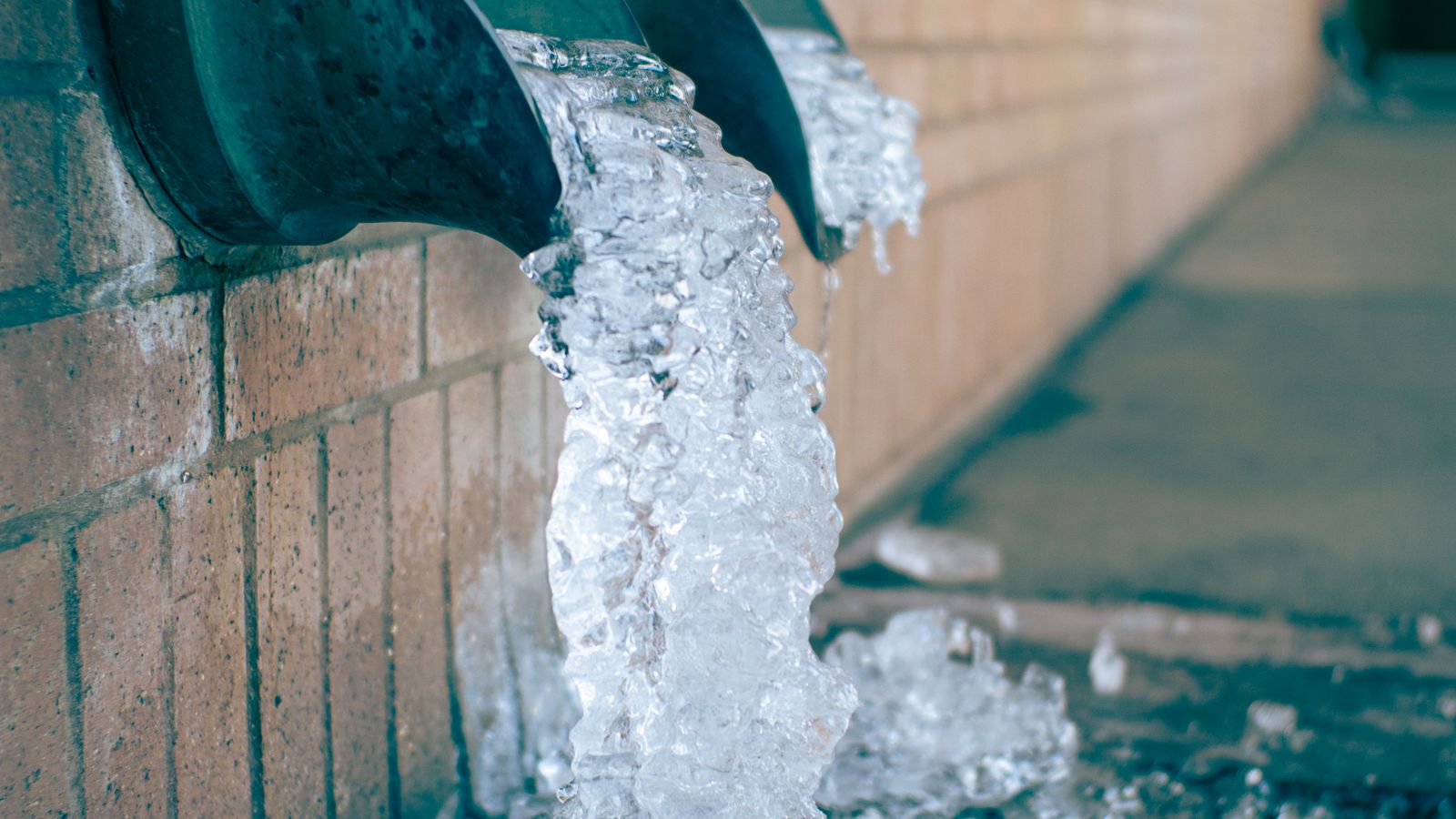
At a sorting facility, water sprayed onto a fire can carry pollutants into drains, sewer systems, or onto the ground. Where the water ends up depends on the path it takes from the affected area, the capacity available to contain it, and the system capable of handling it afterward. Two incidents documented by BARPI illustrate why these three issues must be addressed before a fire breaks out.
In terms of drainage systems, start with the area where waste is stored. Where is the lowest point? Which drainage system does the nearest drain lead to? Where can that system be isolated? A basin drawn on a map does not, by itself, indicate whether runoff from that area will reach it. BARPI particularly emphasizes the importance of being able to locate and operate the system used to contain water. Read the BARPI fact sheet on firefighting water.
In Migné-Auxances, during a fire at a sorting center, the containment basin reached its capacity. Some of the water entered the public sewer system, and some seeped into the ground. For site management, this incident raises two specific issues: the volume actually available on the day of the incident and the destination of the runoff if that volume is exceeded. See ARIA incident report No. 60835.
The D9A guide provides a method for sizing retention basins. It serves as a technical reference for documenting the assumptions made. To identify the applicable requirements, one must also take into account the ICPE categories, the classification system, and the requirements specific to the facility. Access the D9A guide through the CNPP.
For facilities subject to the registration requirements under headings 2711, 2713, 2714, or 2716, Article 11, Section IV, of the Order of June 6, 2018, requires the collection of water that may become contaminated during an incident, including water used for firefighting. It specifies the volumes to be taken into account when sizing the containment system, requires documentation verifying the sizing, and mandates that the collected water be disposed of through appropriate treatment systems. Read Article 11, IV, of the Order of June 6, 2018, on Légifrance.
At a sorting center for waste electrical and electronic equipment, BARPI reports that the retained water was pumped out and analyzed in preparation for its transfer to an authorized facility. This case study allows us to extend our analysis of the plan all the way to the site’s exit: Who organizes the pumping? What information must be provided to the intended recipient? And how does the site subsequently restore its retention capacity? See ARIA fact sheet No. 62529.
In Mérignac, Vincent Mouilhayrat, health, safety, and environment coordinator for the Péna Group, highlights another aspect: taking early action to limit water consumption. In his testimonial, he explains that this helps “significantly reduce water consumption associated with extinguishing a fire in its early stages.” He describes this as a qualitative benefit. The tank installed in Mérignac is used to supply the water cannon; what happens to the water after the operation is a separate step. See the testimonial from Péna Métaux.
To learn more about how to respond to a fire once crews have left the scene, read “How to Respond to a Fire When the Recycling Facility Is Closed.”